







Spending time in the water can be refreshing, exciting, and rewarding, but staying warm and comfortable is essential for enjoying the experience fully. Whether you are swimming, surfing, diving, or paddling, the right approach to temperature control can make all the difference. Cold water can quickly lead to discomfort, reduced performance, and even safety concerns, which is why preparation and proper gear are so important.
Understanding Water Temperature and Its Impact
Water conducts heat away from the body much faster than air. This means that even mildly cool water can feel extremely cold after a short time. The body loses warmth rapidly, especially when exposed to wind or prolonged immersion. Without proper protection, muscles can stiffen, energy levels can drop, and coordination may suffer.
Understanding the conditions you will be entering helps you prepare effectively. Factors such as water temperature, weather, wind speed, and duration of exposure all play a role in how your body responds. If you plan ahead, you can choose the right clothes and gear to stay comfortable.
Choosing the Right Wetsuit
A wetsuit is one of the most effective ways to stay warm in water. It works by trapping a thin layer of water between your body and the suit, which your body then warms up. This layer acts as insulation and helps regulate your temperature.
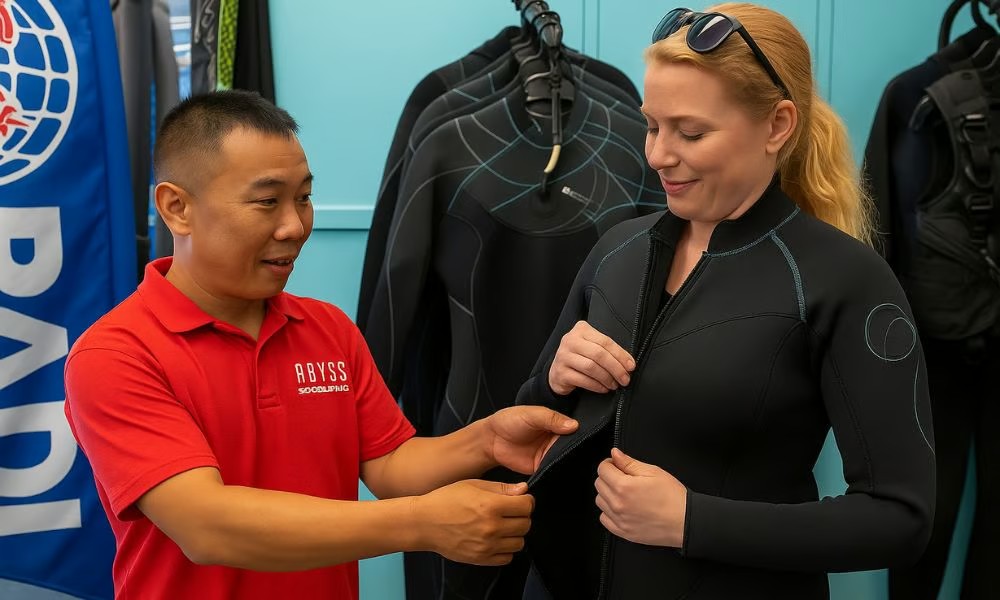
When selecting a wetsuit, women often focus on both functionality and fit. A well-fitting wetsuit should be snug but not restrictive. If it is too loose, cold water will constantly flow through, reducing its insulating effect. If it is too tight, it may limit movement and cause discomfort.
Thickness also matters. Thicker wetsuits provide more insulation and are ideal for colder environments, while thinner suits are better for warmer conditions where flexibility is more important. Choosing the correct thickness based on water temperature ensures optimal comfort.
Layering for Extra Warmth
In colder conditions, layering can significantly improve warmth. Thermal rash guards, neoprene tops, and additional under layers can be worn beneath a wetsuit women to enhance insulation. Accessories such as gloves, boots, and hoods also help protect areas where heat loss is most common.
Layering is especially useful for people who spend extended periods in the water. It allows you to adjust your level of protection without compromising mobility. This flexibility makes it easier to adapt to changing conditions throughout the day.
Maintaining Comfort During Activity
Staying comfortable in the water is not just about what you wear. Movement plays a key role in maintaining body heat. Gentle activity helps generate warmth and keeps blood circulating, which reduces the feeling of cold.
However, overexertion should be avoided. Finding the right balance between rest and exercise will keep your body warm without making you tired. Also, staying hydrated and eating well are important because they help keep your energy up and your body temperature stable.
Drying Off and Staying Warm Afterwards
Once you leave the water, your body can cool down quickly, especially in windy conditions. Having a plan for warming up after your session is just as important as staying warm during it. Dry towels, warm clothing, and windproof layers can help retain heat and prevent chills.
Changing out of wet gear promptly is essential. Even the best wetsuit cannot keep you warm once you are out of the water and exposed to air. Keeping a dry change of clothes ready ensures a smooth transition from water to land.
Adapting to Different Water Environments
Different water environments require different approaches. Ocean conditions can be unpredictable with waves and wind, while lakes and rivers may have varying temperatures depending on depth and flow. Being aware of these differences allows you to adjust your gear and strategy accordingly.
Investing in quality equipment and understanding how to use it properly ensures that you stay comfortable regardless of where your adventures take you. With the right preparation, you can enjoy any water condition without worrying about the cold.
Conclusion
Staying warm and comfortable in water is about preparation, proper gear, and awareness of your environment. From choosing the right wetsuit to layering effectively and maintaining warmth after exiting the water, every step contributes to a better experience. By taking these factors into account, you can confidently enjoy your time in the water while staying safe and comfortable.