




Want longer, fuller hair without committing to a sew-in or spending hours at the salon? Clip-in extensions have become a favorite styling option for Black women who love switching between natural curls, voluminous blowouts, and sleek hairstyles. But one important question remains: are clip-in hair extensions actually good for your natural hair? While these removable extensions offer convenience and flexibility, concerns about breakage, thinning edges, and scalp tension are worth taking seriously. The good news is that clip-ins can be a suitable choice for healthy natural hair when used correctly. However, they’re not completely risk-free or automatically protective. Understanding how they work, choosing the right texture, and practicing gentle installation techniques can make all the difference.
Are Clip-In Hair Extensions Safe for Natural Black Hair?
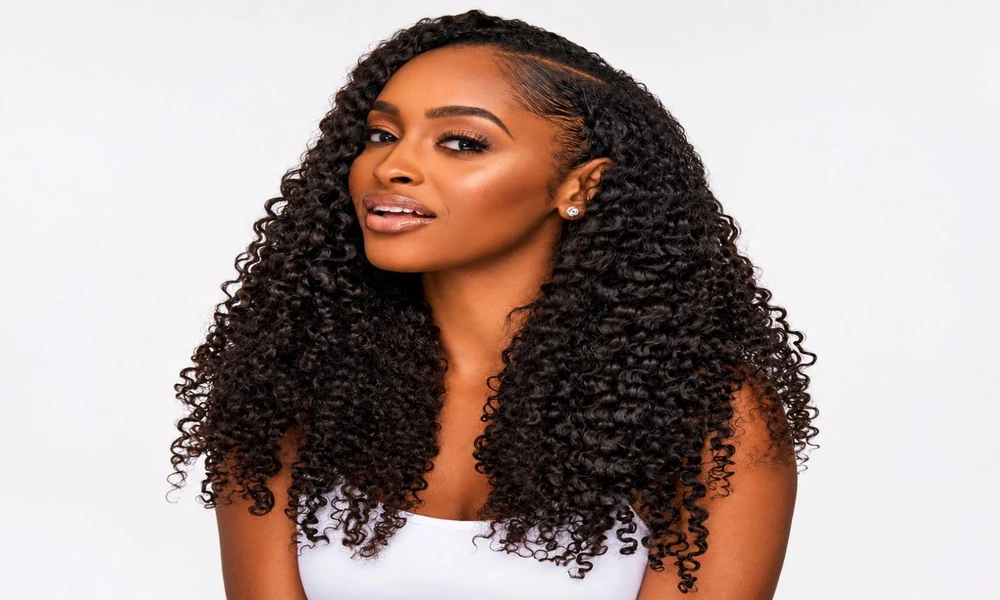
Natural Black hair comes in beautiful textures, from loose curls to tightly coiled 4C strands, and each deserves thoughtful styling care. For women who want to enhance their natural texture without permanently changing it, Natural Hair Clip Ins For Black Hair offer a convenient way to add fullness and length. These extensions consist of hair wefts fitted with small pressure-sensitive clips that attach directly to sections of your natural hair.
Unlike traditional sew-ins or bonded extensions, clip-ins don’t require adhesive, bonding chemicals, or tightly braided foundations. You can install them for a special occasion and remove them afterward, making them particularly appealing to women who prefer temporary hairstyles and direct access to their own hair.
However, being removable doesn’t automatically make clip-ins damage-free. Heavy wefts, repeated attachment to delicate sections, or clips positioned too tightly can strain your natural strands. Your hair’s existing condition also matters. Healthy, well-maintained hair generally tolerates gentle styling better than strands already experiencing breakage or thinning.
It’s also important to understand that clip-ins aren’t necessarily protective hairstyles for natural hair. If blending your extensions requires daily flat ironing, excessive brushing, or constant manipulation, the potential styling damage may outweigh the convenience. The safest approach is to treat clip-ins as a flexible styling accessory rather than a guaranteed protective solution.
Benefits of Wearing Clip-In Hair Extensions on Natural Hair
One of the biggest advantages of Clip-In Hair Extensions for Black Women is the freedom to transform your hairstyle whenever you want. Whether you’re preparing for a wedding, heading to work, or planning a weekend outing, clip-ins can instantly create additional length and volume without a long-term commitment. They also make it easier to experiment with different looks before deciding on a more permanent installation.
Texture versatility is another major benefit. Women with tightly coiled or stretched natural hair can achieve fuller blowout-inspired hairstyles without necessarily straightening every strand. For example, choosing the Best Kinky Straight Hair Clip Ins for your preferred blown-out texture can help create a realistic finish while minimizing unnecessary heat styling. Curly and coily extensions can similarly complement natural wash-and-go looks when their curl patterns and density are compatible.
Another practical advantage is easier access to your natural hair. Unlike longer-lasting installations, removable extensions allow you to cleanse your scalp, moisturize your strands, and inspect areas that might be experiencing stress. You can also detangle and condition your hair without navigating around permanently attached wefts.
Quality Human Hair Clip-In Extensions provide additional styling flexibility because they can generally be washed, conditioned, and styled with appropriate care. However, their durability depends on the quality of the hair, construction, and maintenance routine. Ultimately, clip-ins offer an attractive combination of convenience, customization, and styling freedom for women who enjoy changing their hairstyles.
Can Clip-In Extensions Damage Natural Hair? Risks Every Black Woman Should Know
Although clip-ins are convenient, improper use can create genuine hair-health concerns. One common problem is tension-related breakage. When clips are fastened too tightly or attached repeatedly to small sections of hair, the added weight may place excessive stress on individual strands. This becomes particularly concerning around the temples and hairline, where hair can be more vulnerable.
Repeated pulling may also contribute to traction alopecia, a form of hair loss associated with prolonged or recurring tension. According to the American Academy of Dermatology, hairstyles that consistently pull on the hair can cause damage and potentially permanent hair loss. Warning signs may include tenderness, broken hairs, thinning edges, or irritation around attachment points.
Sleeping in clip-ins introduces another avoidable risk. Movement during sleep creates friction between the clips, extensions, and natural strands, increasing the possibility of tangling and pulling. Removing the extensions before bedtime generally helps reduce this unnecessary stress.
Heat damage deserves attention, too. Black women sometimes choose silky extensions that require repeatedly straightening tightly curled hair to achieve a seamless blend. Frequent exposure to high temperatures can weaken natural strands and gradually alter their curl pattern. Choosing compatible textured extensions can help reduce this need.
Improper removal is equally problematic. Pulling out a weft without fully opening its clips may snag or break surrounding hair. Additionally, women experiencing active shedding, scalp inflammation, or thinning should avoid placing further tension on affected areas and seek professional advice when necessary.
The key takeaway is that clip-ins can cause damage when excessive tension, poor installation, or unsuitable styling habits are involved. Even careful installation cannot eliminate every risk, so paying attention to how your scalp and hair respond is essential.
How to Choose and Wear Clip-In Extensions Without Damaging Your Natural Hair
Protecting your natural hair begins before you install your first weft. Start by selecting extensions that complement your natural texture, density, and preferred hairstyle. For women with 3A-3C curls, loose curly, deep curly, or kinky curly textures may provide a suitable blend. Those with 4A-4C hair can explore afro kinky, coily, or kinky straight options depending on whether they prefer defined curls, fuller coils, or a stretched blowout finish. Remember that matching texture involves more than curl type; overall fullness and strand appearance matter too.
Next, prioritize quality construction. Textured Clip-In Hair Extensions made with 100% human hair offer styling versatility, while properly aligned cuticles can help minimize unnecessary tangling. Look for securely attached clips, comfortable wefts, and an appropriate overall weight. Traditional clip-ins often feature fabric-backed wefts, while seamless versions usually have flatter attachment bases. Neither design automatically guarantees less damage; fit, weight distribution, and installation technique remain more important.
When installing your extensions, begin with clean, thoroughly detangled hair. Create neat sections without pulling tightly at the roots, and attach each clip securely without discomfort. Avoid placing heavy wefts around fragile edges or thinning temples. Distribute the extensions across stronger sections rather than concentrating all the weight in one area.
Always open each clip completely before gently removing the weft. Take your extensions out before sleeping and before washing your natural hair. Check attachment areas regularly for tenderness, broken strands, or visible thinning, and give stressed sections time to recover.
Most importantly, listen to your scalp. If an installation causes pain, pulling, or persistent irritation, remove it immediately. Healthy styling should never require enduring discomfort just to maintain a particular look.
Final Verdict: Are Clip-In Extensions Worth It for Black Women?
For Black women who love versatile hairstyles, clip-in extensions can be a worthwhile investment. They offer instant length, customizable volume, and the convenience of temporary installation while allowing regular access to your natural hair. They’re especially practical for special occasions, occasional styling, or anyone who enjoys changing their look without committing to permanent extensions.
However, the best results come from balancing beauty with responsible hair care. Clip-ins aren’t automatically protective, and poor installation habits can lead to unnecessary breakage or thinning. Prioritize compatible textures, lightweight construction, gentle handling, and proper removal. Ultimately, the best clip-in extensions are the ones that help you achieve your desired hairstyle without compromising the health of your natural hair.
Frequently Asked Questions
Are Clip-In Hair Extensions Safe for 4C Hair?
Yes, clip-ins can be suitable for healthy 4C hair when installed gently and matched with an appropriate texture. Choose lightweight extensions, avoid fragile areas, and minimize excessive pulling. Coily or kinky textures may help create a natural-looking blend.
Can Clip-In Extensions Cause Hair Loss?
Yes. Repeated tension from heavy extensions or tightly secured clips can contribute to traction alopecia. If you experience persistent scalp pain, broken hairs, or noticeable thinning, stop wearing the extensions and consult a dermatologist for assessment.
Can You Wear Clip-In Extensions Every Day?
Daily wear may be possible for some women with healthy hair, but it increases repeated handling and attachment. Remove extensions each evening, monitor your scalp, vary placement when appropriate, and allow stressed areas to recover between installations.
Do Clip-In Extensions Help Natural Hair Grow?
Clip-ins don’t directly stimulate hair growth. However, they may support length retention when they reduce damaging styling practices and are worn gently. Excessive tension, improper removal, or frequent heat styling can instead contribute to breakage.
Should You Sleep With Clip-In Hair Extensions?
Removing clip-ins before bedtime is generally recommended. Sleeping with attached wefts can increase friction, tangling, and tension on your natural strands. Gently unclipping them each evening gives your scalp relief and helps preserve both your hair and extensions.
Are Clip-Ins Better Than Sew-In Extensions for Natural Hair?
Clip-ins offer easier removal and more direct access to natural hair, while sew-ins provide longer-lasting styling. Neither method is universally safer. Installation quality, extension weight, styling habits, and your natural hair’s condition determine which option is more appropriate.
What Are the Best Clip-In Hair Extensions for Black Natural Hair?
Look for high-quality human hair with a texture and density compatible with your natural strands. Comfortable clips, manageable weft weight, and realistic blending requirements are essential. The right extensions should enhance your hairstyle without unnecessary tension or excessive heat styling.