







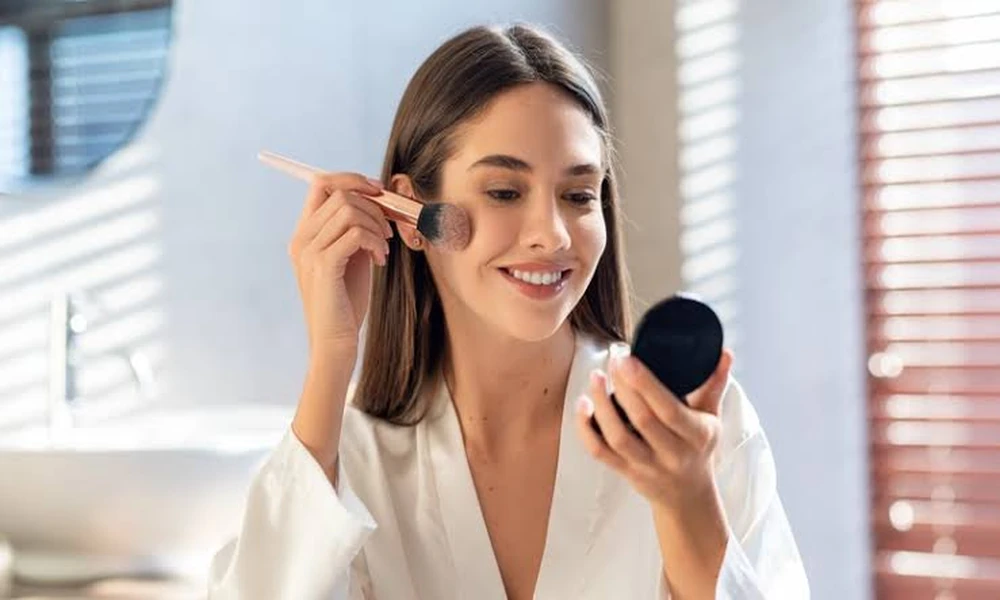
A flawless makeup finish is more about method than it is about the products in the kit. The same foundation applied with different techniques on different skin preparations produces completely different results. Understanding which steps set up the ones that follow, and which application methods produce the most skin-like finish, makes the entire routine more reliable and the result more consistent from one day to the next.
Skin Prep Sets Everything Up
Foundation applied over dry or uneven skin texture will not sit smoothly regardless of the formula. A light exfoliation two to three times a week keeps surface texture even. On the day, a hydrating moisturiser applied and allowed to fully absorb before any base product goes on changes how evenly foundation distributes across the skin.
Clinique has built a significant part of their identity around skin preparation before makeup. Their moisturisers, particularly the Dramatically Different range, are widely used as foundation prep because they create a consistent skin surface that base products move across more evenly.
Base Application: Method Over Product
A damp sponge produces a more skin-like finish than a brush. It picks up less product and pushes what remains into the skin. Starting at the centre of the face and blending outward produces more even coverage than starting at the edges.
Concealer goes on after foundation. Foundation covers most of what concealer is needed for, and blending into an established base requires less product.
| Step | Method | Why |
|---|---|---|
| Moisturise | Fingertips, full face | Even absorption |
| Foundation | Damp sponge, centre out | Skin-like finish |
| Concealer | Small brush or fingertip | Precise placement |
| Set | Powder, T-zone only | Hold without heaviness |
Eyes: Build in Layers
When you apply eye shadow as a thin first layer and then built up, it gives you more control. The first layer sets colour direction. A second layer adds depth. A third is rarely needed for everyday wear.
Plum produces eye products in a range designed for Indian skin tones. Their eye palettes include both matte and shimmer options, and their formulas blend without excessive fallout, which is the technical quality that most determines whether shadow looks considered or messy on the face.
Blush, Contour, and the Light Touch
Blush applied with a large fluffy brush in a light circular motion on the apples and swept upward toward the temples reads as natural. Clinique and Plum produce blush formulas in buildable intensities.
To Wrap Up
Clinique and Plum together cover skin prep, base, and colour for a complete flawless finish routine on AJIO. The category has 1,000+ options. Returns are accepted within 30 days of delivery.
FAQs
1. Why does my foundation look patchy even with a good formula?
Dry patches or uneven texture on the skin surface are almost always the cause. Moisturiser applied and fully absorbed before foundation, and light exfoliation two to three times a week, addresses the surface before the base goes on.
2. Should concealer go on before or after foundation?
After. Foundation covers most of what concealer is needed for and creates a base for the concealer to blend into. Applying concealer first means more product, harder blending, and more chance of creasing.
3. How do I stop eye shadow from creasing?
An eye primer applied before shadow creates a surface the shadow adheres to. A thin layer of concealer set with powder achieves a similar result without a separate product.
4. What is the right amount of blush?
Less than feels natural when applying, more than looks visible in a dimly lit mirror. Blush reads differently in natural light than in bathroom lighting. A large brush and a light hand are the most consistent approach.
5. How do I make makeup last through a full working day?
Setting powder on the T-zone after base, setting spray over the completed face, and blotting papers rather than powder for midday oil. These three steps together extend most makeup routines by several hours without requiring reapplication.